
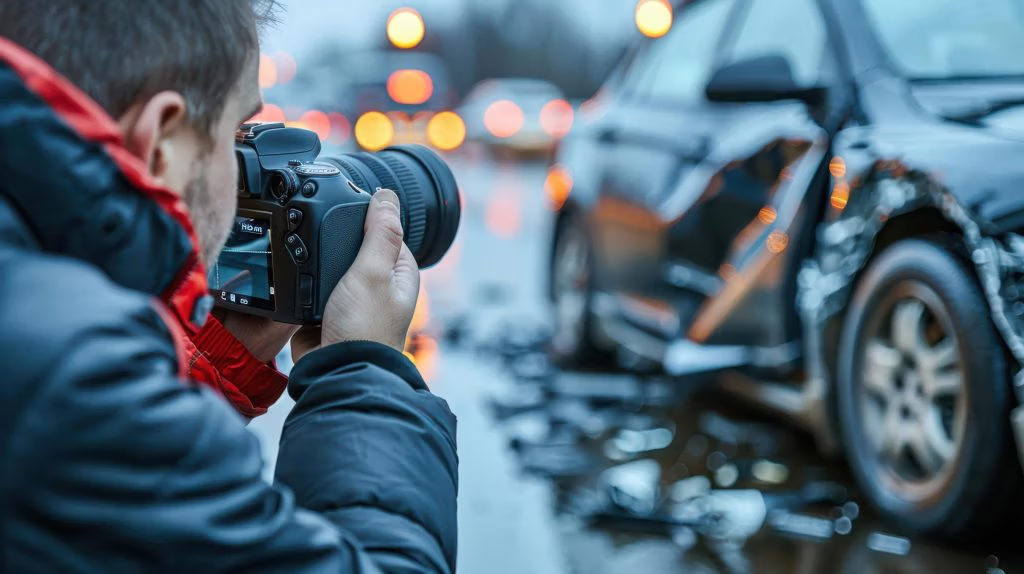
You’re on your way to your kid’s soccer game when you get into a car accident. While a scenario like this can ruin anyone’s day, it’s more important than ever to focus on the problem and proactively document the accident and potential injuries. One of the best ways to do this is with photographs. Again, the minutes immediately after a car accident can be stressful, and you may even be in shock, but staying mindful of what to photograph can help you remember key details and provide the evidence you’ll need later.
How in the world am I supposed to be calm enough to remember what to do, you may ask? The good news is that you don’t have to rely on your memory alone. Having a general idea of what to photograph after a crash can help you stay focused and document details that may matter if you need to file an injury claim.
Here are just a few of the key details to photograph after a car accident:
Start By Photographing These Specific Details After a Car Accident
1. Identification, insurance information, and other car documentation
Now that we all have a handy camera in our pockets, the days of writing down someone’s information after a car accident are gone. To be honest, photos are usually more accurate than written notes, which can be prone to human error. Make sure that if documents have two sides, you take photos of both. Make sure the entire document is in the frame of the photo and that the photo is clear. Examples of documentation you should be photographing can include:
- The other party’s driver’s license
- Insurance Card/Sheet
- Car registration forms
2. Documenting vehicle identifiers
The primary vehicle identifier you need to know is the offending party’s Vehicle Identification Number (VIN). This can be found on the driver’s side of the dashboard or inside the door jamb. Take a picture of it ASAP. If you somehow forget, don’t worry. Many insurance cards include the VIN number. Just make sure it matches the car that hit you.
In addition to the VIN number, consider photographing:
- License plates
- Any decals, corporate logos, USDOT numbers, or other identifying markings on commercial vehicles
- If a ride-share vehicle is involved, you can screenshot your active trip status page in the mobile app.
- Also save identifying driver documentation with a photo
- Both Uber and Lyft have links on their sites for riders in an accident
- They also have places to submit information if you are hit by a ride-share vehicle
3. Photograph the entire surrounding area where the accident occurred
You want to make sure you are well enough to do this and that it is safe to do so. If you do not need immediate medical attention and are able, take a moment to survey the surroundings so you can take helpful photos that put the accident details in context. Make sure to get photographs of:
- 4-8 wide-angle photos of the area
- Road conditions and any hazards or debris in the road
- Intersections and their road markings and traffic signals
- Traffic signage
- Skid marks/tire tracks left by the accident (Weather can wash away valuable evidence over time)
- Traffic flow
4. Any pertinent environmental conditions at the accident site
Photograph the weather conditions (the sky, fog, ice patches, sun glare, or any other condition that could have impacted driving). Weather conditions such as fog, ice, sun, or precipitation in the form of rain or snow can all contribute to car accidents. If your car has a temperature readout on the dash, you can also take a picture of that to add to the environmental information you submit. Some cars even show weather advisories on their screens, which you can photograph and add to the environmental conditions.
5. Take photos of all four sides and all four corners of the vehicles. You can also take photos of any other parts of the car that seem important. (Exterior Shots)
These types of shots will provide evidence later if either party disputes the facts or validity of your photographs. Take these photos with a wide-to-medium shot from multiple angles to capture each side and corner of the car. This helps insurance adjusters, and even legal personnel, understand the full context of how the accident occurred, beyond evidence of car body damage or injuries. This can also help demonstrate car positioning and vehicle impact.
Full shots of the car can help if any damage is disputed as NOT caused by the accident. Don’t forget to include external mirrors, antennas, or any other part of the car that “sticks out”.
6. Take photos of the interior of the vehicle
Take a wide shot with all doors open from outside, standing right outside of each door. Zoom in on any areas affected by the car accident, getting a full shot of each area. As with exterior shots, it is also okay to take photos of undamaged interior areas to ensure documentation is complete.
Some things to look for when taking interior car photos are:
- Did airbags deploy?
- Did anything shift in the trunk?
- Is the steering wheel altered in any way?
- Was the dash, shift gears, or any other interior element altered in the collision?
- Did any cargo in the car break, and how did it move with the impact?
- Did the windshield crack, or did any other windows crack or get damaged?
- Is the rearview mirror damaged?
These things can all determine the force of the collision. Documenting property damage and loss will strengthen your claim and help authorities determine fault. You never know how the evidence may help you get the right compensation. If you think it “might” be helpful, take a photo.
7. Injuries, apparent and developing
If you have an immediate injury, you should seek prompt medical attention. You should photograph definite injuries, such as swelling, a limb at an odd angle, cuts, scrapes, or any other area of concern. Treat these definite injuries as soon as possible. Continue taking daily photographs of injuries to document progression. Some bruising and other injuries can take a couple of days to become apparent. But if you have a small ache or pain, or a developing injury, you can also photograph it when it hurts, such as when you turn your neck, ankle, wrist, or anything else in a certain way. You can also take photos to have it checked out and document possible injuries.
Medical injuries from car accidents are not always immediately obvious and can evolve over time, especially when other injuries are treated. That is why medical treatment and ongoing care matter, and that’s why documenting how you felt right after the accident matters.
General Rules When Taking Car Accident Photos
- Be mindful of traffic and don’t compromise your physical safety to get photos. Be patient, and wait until the path is clear of oncoming traffic before taking those shots.
- Make sure your pictures are clear and not blurry. You have just been in an accident, so you may be a bit shaky. Check the pictures as you take them. Retake if they aren’t right, but keep all the photos.
- Don’t get your finger in the shot. Make sure photos are free of finger shadows; this can affect focus and clarity.
- Take more photos than you think you need. Keep ALL of the photos for a complete record. Keep ALL photos and don’t delete the ones you don’t think are good. Deleted photos or an incomplete record can compromise your documentation timeline. Make sure you have all the photos insurance and possibly legal counsel will need to get you any compensation you are due, or to defend you if you are at fault. Even if you don’t submit all of the pictures, keep them in case they are needed later.
- Take photos with and without a flash. This may give you the detail you need in certain weather conditions.
A complete visual record of the accident site, damage, and injury will give you the information you need to submit to the insurance company for your claim. If the claim progresses to a suit, this documentation will help legal aid assess your case accurately. After the trauma of an accident, a full photographic timeline can also help you remember what happened and how it happened.
Call Keys Law Offices Today!
A car accident claim that is not handled correctly can disrupt your life in an instant, leaving you with stress, injuries, and unanswered questions about what comes next. At Keys Law Offices, we are determined to support individuals and families facing these issues by providing advice and representation in car accident cases and personal injury claims. With deep knowledge of how these cases are handled, our firm will strive to get to the bottom of the case, develop a strong claim, and seek the financial compensation our clients deserve.
Assistance is available, and help is only a phone call away.