
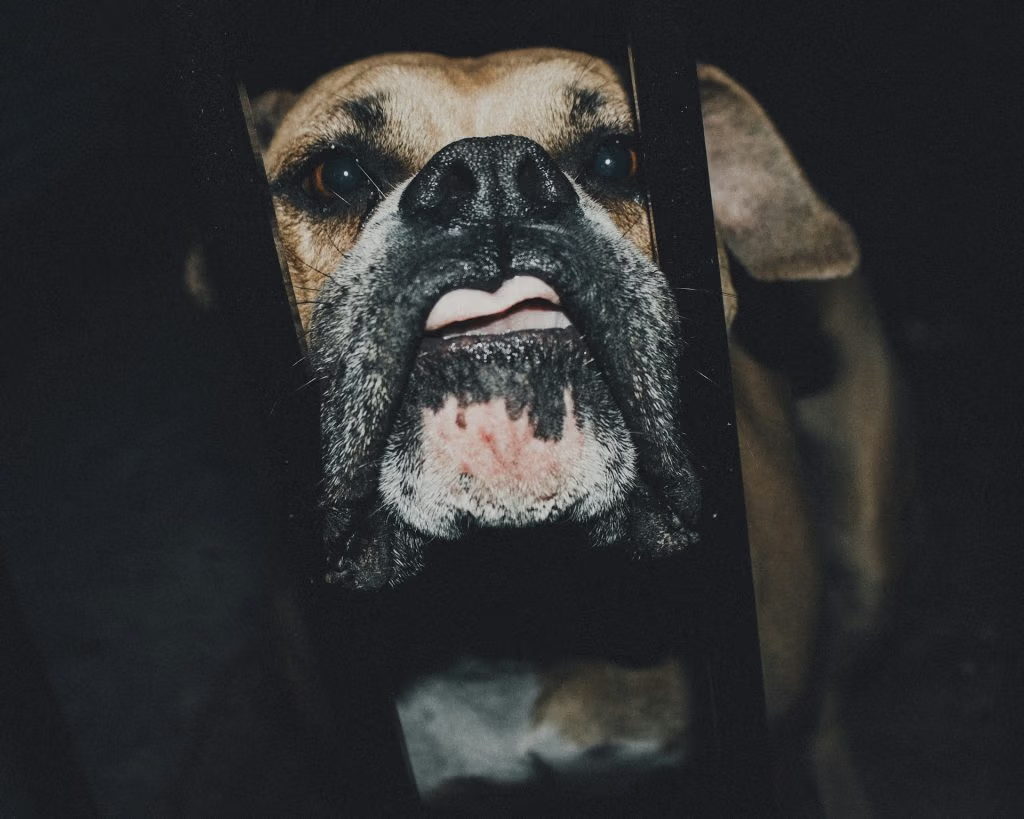
A loose dog rushes toward you and sinks its teeth into your leg. What follows is an emergency room visit, stitches, a week of missed work, and a painful recovery. You know the dog owner should be held responsible, but if you take the case to court, you know you’ll need plenty of evidence to prove a dog bite case.
This blog post describes the types of evidence that tend to be most effective in dog bite cases and why collecting the right information early can make a significant difference.
When these pieces come together, they create a clearer picture of liability and damages.
Dog Bite Cases: Key Elements That Help Establish Responsibility
Dog bite cases often involve the owner’s failure to act responsibly. Therefore, evidence that the owner ignored warning signs of the dog’s aggression or failed to restrain the dog properly can help establish liability. The location of the attack is also important, as attacks occurring in a public place or while a person is lawfully on private property will often strengthen a claim. Once important factors such as these are taken into account, the next step is to collect the evidence to support the case.
Evidence That Strengthens a Dog Bite Claim
Photographs and Video Recordings — Clear images of the wounds, taken shortly after the attack and throughout the healing process, can demonstrate the seriousness of the injuries. Photos of the location, the dog, or unsafe conditions, such as damaged fencing, can also provide useful context.
Medical Documentation and Expenses — Records from hospitals, physicians, and specialists document the extent of the injuries and the required treatment. These materials often outline future care needs as well.
Official Incident Reports — Reports filed with law enforcement or animal control agencies create an official record.
Statements from Witnesses — Individuals who saw the attack or noticed the dog acting aggressively beforehand can provide valuable accounts of the incident.
Information About the Owner and the Animal — Details such as prior complaints or previous biting incidents may indicate whether the dog has a known history of dangerous behavior.
Personal Notes and Records — A detailed account of pain, emotional distress, missed work, and other disruptions can help demonstrate how the attack affected everyday life.
Collecting this evidence often forms the backbone of a dog bite claim. The final step is understanding how experienced legal guidance can help organize and present that information effectively.
How Legal Guidance Can Help After a Dog Bite
Victims often focus on medical treatment immediately after an attack, which is entirely understandable. However, important evidence can fade quickly if it is not preserved. A legal team can help identify the records, reports, and testimony that strengthen a claim while ensuring that deadlines and procedural requirements are met.
The attorneys at Keys Law assist injured clients in gathering the documentation necessary to support dog bite claims. By reviewing the incident details, identifying responsible parties, and organizing evidence effectively, legal counsel can help pursue accountability while the victims focus on recovery.
Call Keys Law Offices Today!
As mentioned above, dog bite injuries are more common than you might think. At Keys Law Offices, we are dedicated to representing victims and their families for dog bite injuries and many other personal injury matters. Our experienced team understands the intricate legal issues involved in dog attack cases and knows how to investigate and litigate them to secure the compensation our clients deserve.
Please do not hesitate to contact us for a free consultation. Our staff is always available. Call us today!